







Emergent Landscapes
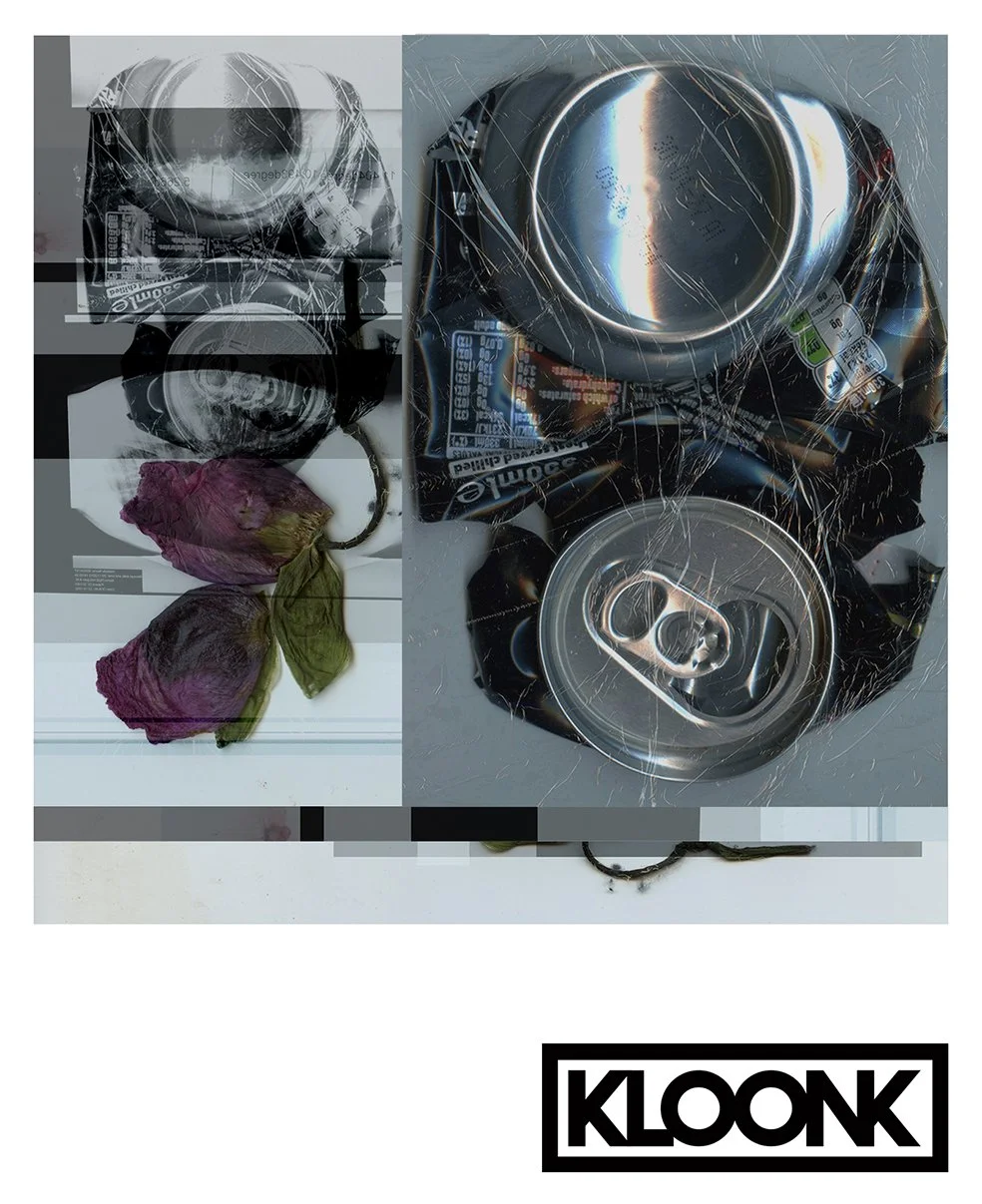
This series explores the increasingly fragile relationship between the organic world and the expanding presence of technology. Nature is presented not as a passive landscape, but as a living system in constant transformation, where insects, geological forms, and digital structures evolve within the same visual space.
Every rock and geological formation depicted in the works originates from photographs taken by the artist along the beaches of Newquay, England. These fragments of a real landscape become the foundation for imagined ecosystems in which the natural and the artificial merge, creating environments that feel both familiar and speculative.














Few modern punk bands captured California youth culture quite like SWMRS. Loud, restless, and politically charged, the Oakland group emerged from skate parks and garage rehearsals before evolving into one of the most recognizable indie-punk acts of the late 2010s.
Originally formed as Emily’s Army by childhood friends Cole Becker and Joey Armstrong, the band began as a straightforward pop-punk project inspired by classics like Green Day and The Ramones. Joey Armstrong — son of Billie Joe Armstrong — brought immediate attention to the group, but SWMRS spent years trying to escape the shadow of punk-rock inheritance.
That transformation arrived in 2014, when the band rebranded as SWMRS (“Swimmers”) and shifted toward a looser, surf-infused indie sound. Their breakthrough album Drive North (2016), produced with help from Zac Carper of FIDLAR, mixed garage rock, surf punk, and emotional vulnerability into something distinctly Californian. Songs like “Palm Trees” and “Figuring It Out” felt less like traditional punk anthems and more like soundtracks for anxious suburban youth.
Their 2019 album Berkeley’s on Fire pushed the band further into political and emotional territory, addressing anxiety, social unrest, and generational frustration. Critics praised the record for balancing catchy hooks with genuine urgency, helping SWMRS stand out during a period when many punk bands leaned heavily on nostalgia.
But the band’s rise was interrupted by controversy. In 2020, accusations against Joey Armstrong from Lydia Night sparked backlash and placed the future of SWMRS in doubt. Tours disappeared, fans divided, and the group’s public image changed dramatically.
Even so, SWMRS remains an important snapshot of 2010s alternative music: a band that fused pop-punk energy with indie-rock sensitivity while documenting the confusion and burnout of modern youth culture. Their legacy is messy, complicated, and undeniably tied to the evolution of contemporary California punk.
SWMRS: California Punk’s Complicated Heirs