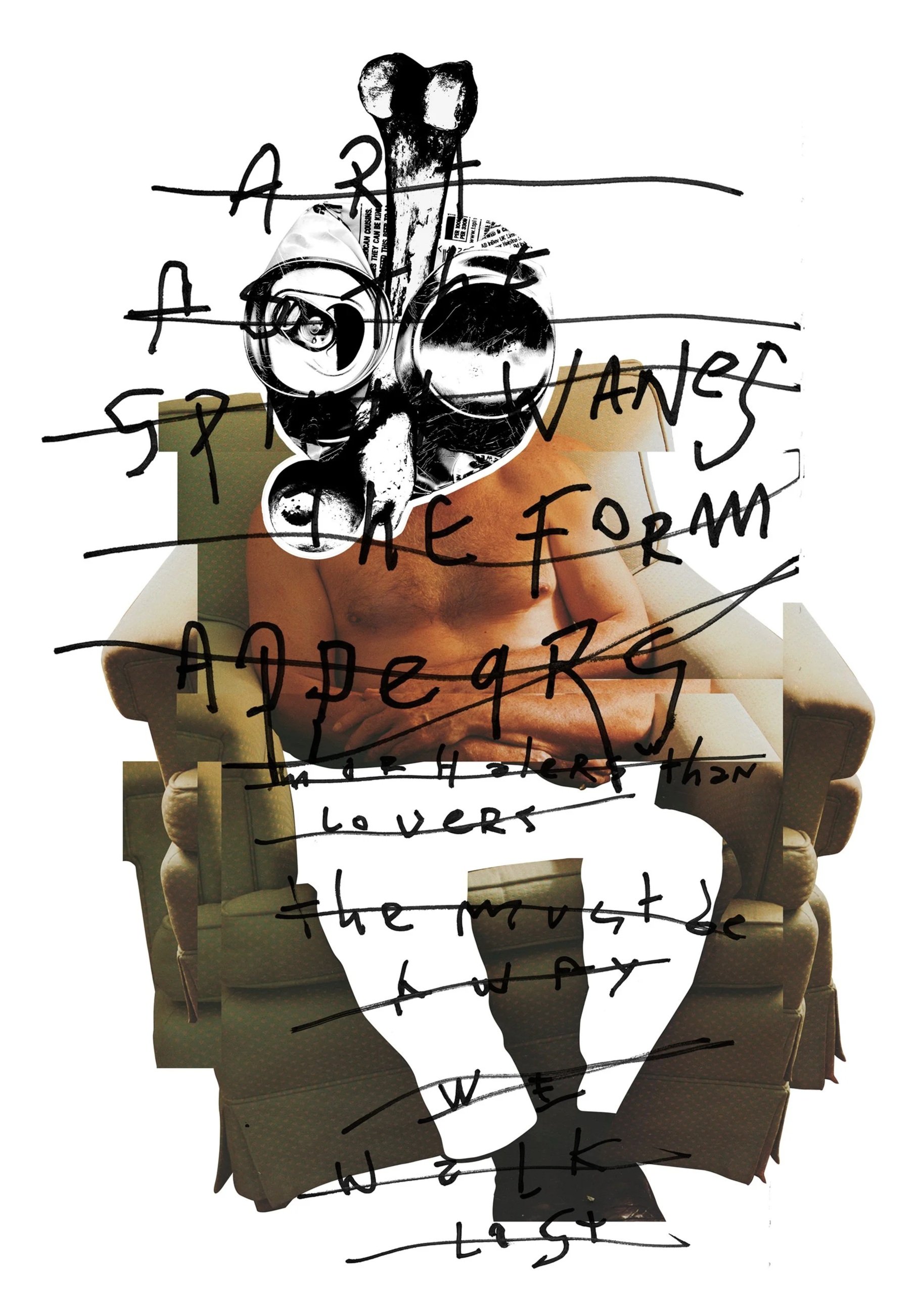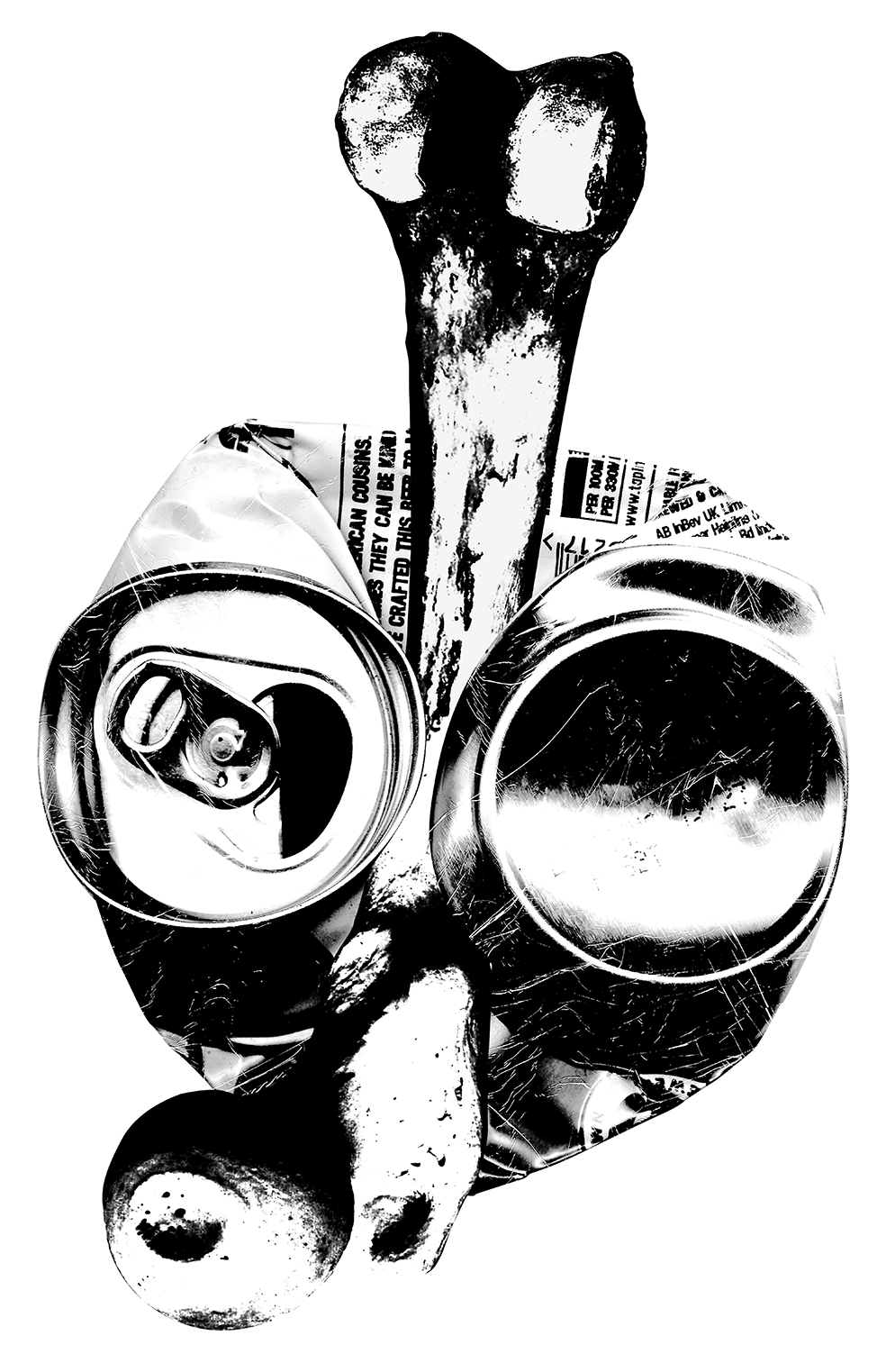
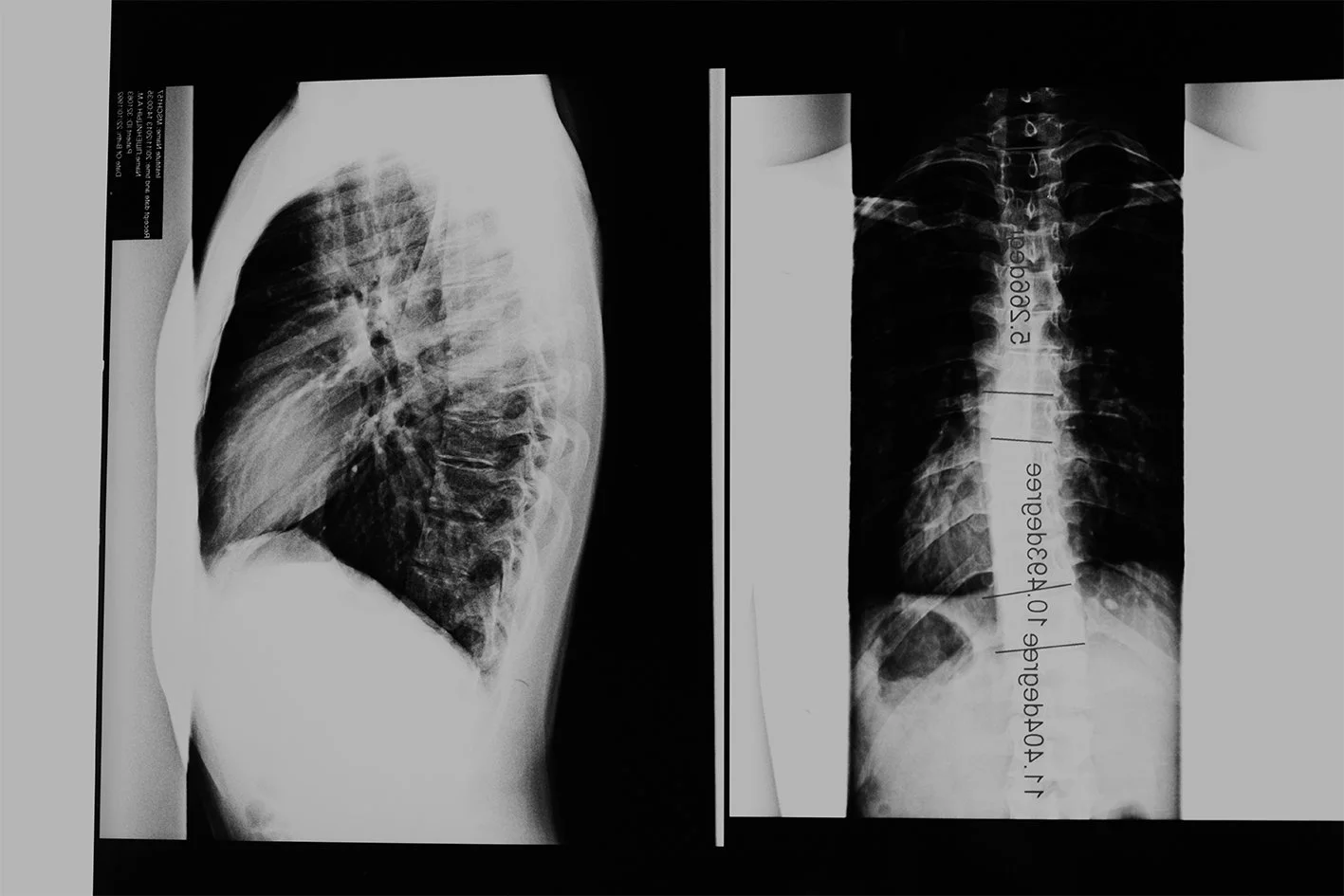
My work exists between figuration and distortion. I paint the human body, but I refuse to fix it into stable form. Figures stretch, fragment, merge with objects, or collapse into space. Anatomy shifts under pressure. Identity becomes unstable.
I grew up inside a rehabilitation hospital where my father was the director. Until the age of eight, I lived in a small house within the sports area of the complex. I shared the swimming pool with amputees, quadriplegics, and hemiplegic patients. Altered bodies were not abstract concepts to me — they were part of daily life.
That early experience shaped my perception of the body. I never understood it as ideal, complete, or permanent. I saw it as vulnerable, adaptive, fragile, and resilient at the same time. That tension remains central in my work.
I do not paint disability. I paint the physical and psychological condition of being human.
My process is intuitive and physical. I begin without a predetermined image and allow the painting to develop through confrontation with the surface — layering, scraping, distorting, repainting. I trust instinct over planning. Freedom inside the act of painting is essential. Control and surrender exist simultaneously.
Objects appear in my compositions — tools, fragments of interiors, structural or mechanical elements — not as narrative symbols but as extensions of internal pressure within the figure. Backgrounds function as charged spaces rather than environments. Light is used to intensify presence and expose tension, not to describe reality.
The figures in my paintings are neither whole nor broken. They exist in a state of transformation. They carry weight, distortion, vulnerability, and force. I am interested in what the body feels like from the inside — when structure shifts, when identity fractures, when something struggles to reassemble itself.
Painting, for me, is confrontation and freedom. It is where distortion becomes truth.